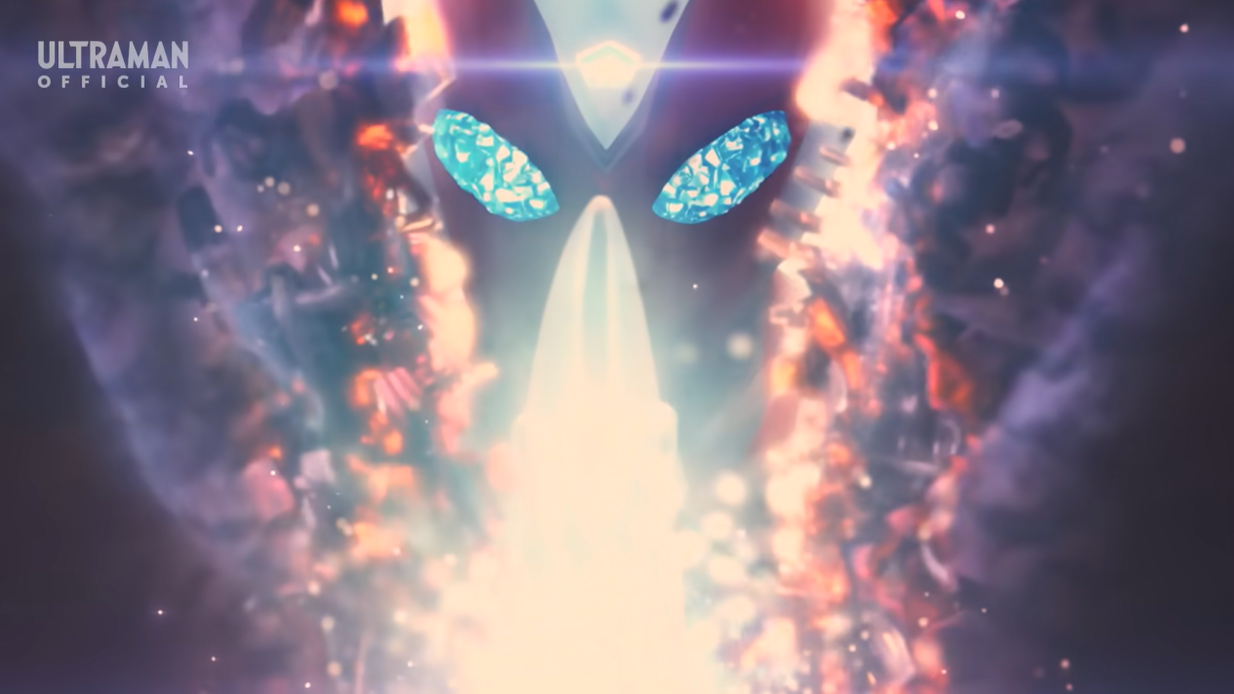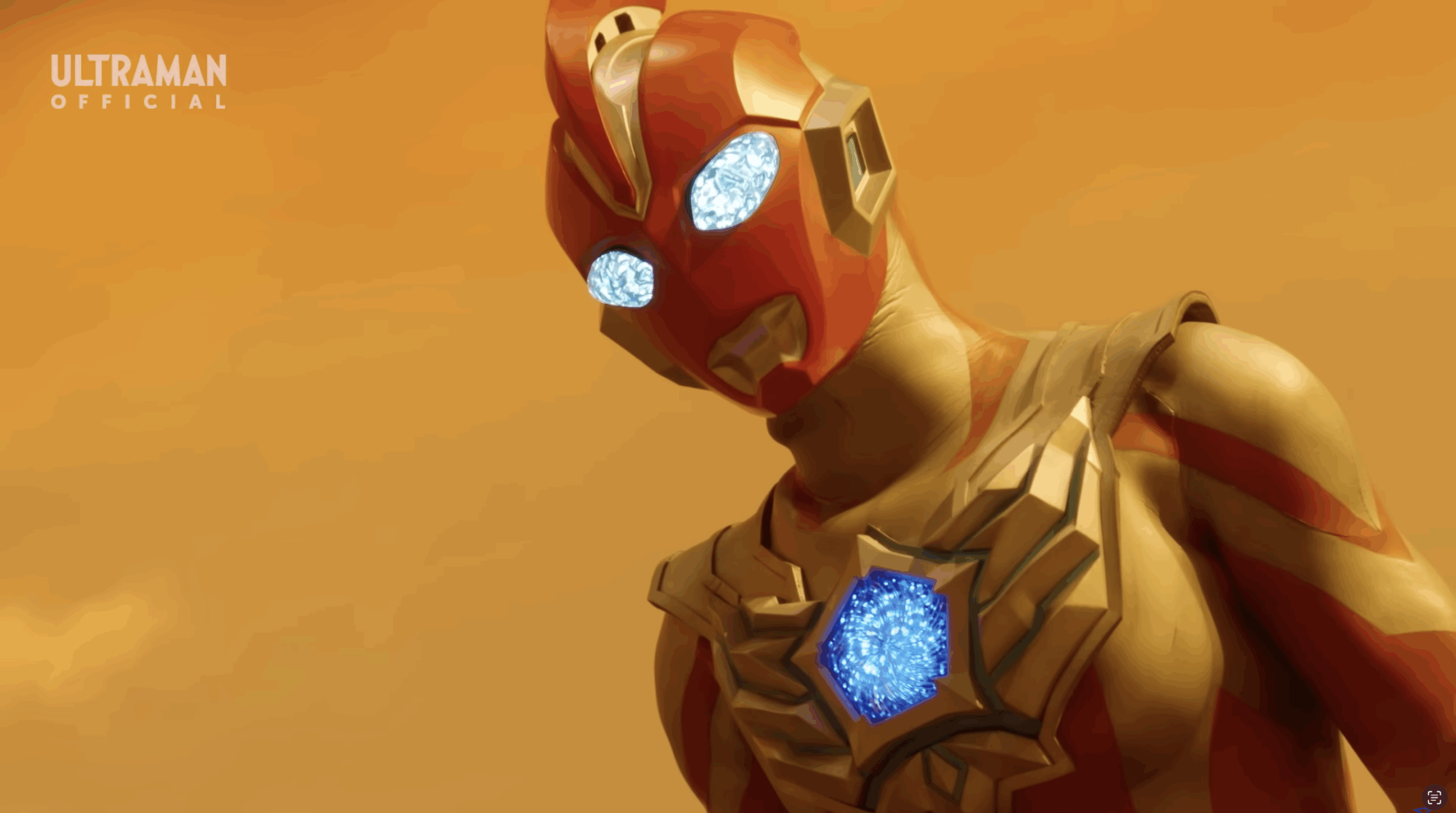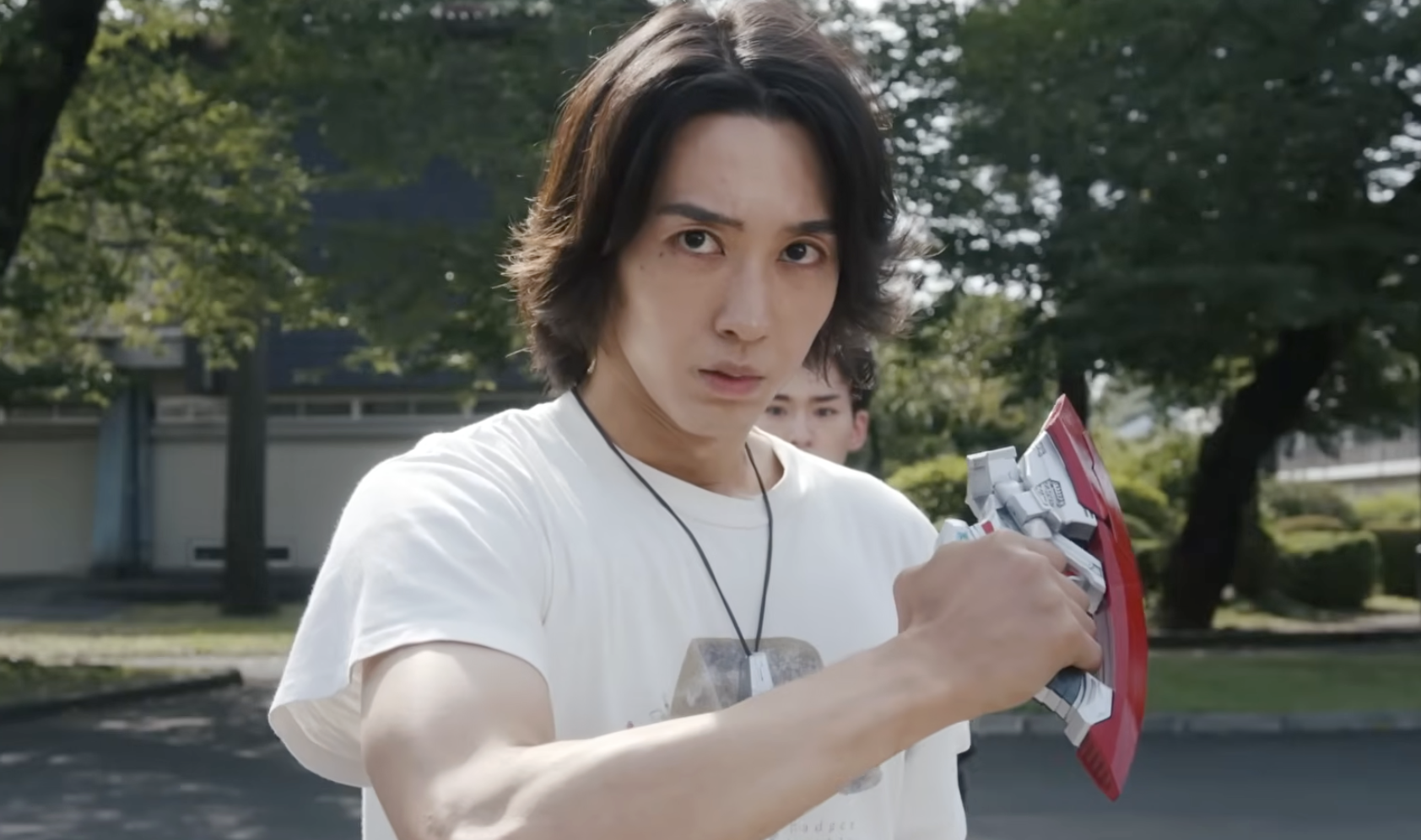
Last year, Ultraman Omega barreled down from space onto earth, crash-landing into his place as the 30th entry in the Ultraman franchise. Now that Omega’s amnesiac-charm has won the hearts of Ultra-fans worldwide, Western viewers have gotten the privilege of a complete English dub. The first twelve episodes are now available with English audio on Tubi, Amazon Prime, Plex and Pluto TV, and we watched both the original audio and the dub to compare how each feels.
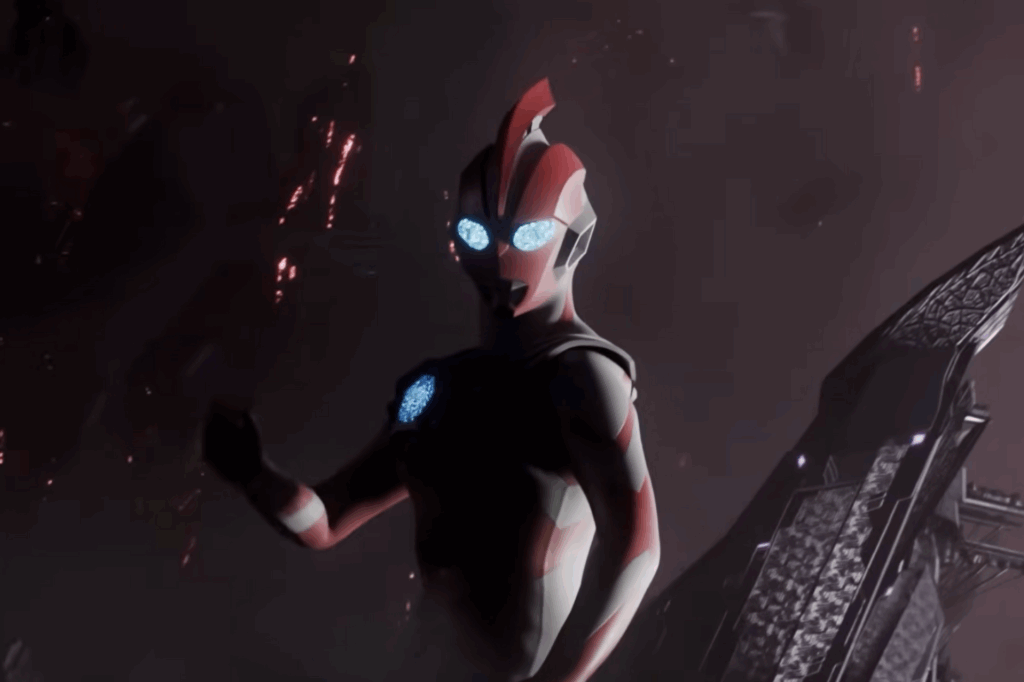
The original Ultraman Omega series is tonally vibrant with a cinematic soundscape and energized dialogue. Even before we hear anyone speak, the first episode opens with the low rumble of a dirty distorted guitar underneath the tactile squelching of alien vermin as Omega battles off the herd on an alien planet.
The dub maintains rich sound quality and the theatricality of the characters’ voices, almost perfectly matching the original actors’ intonations. Newscasters, townspeople, and other secondary roles maintain the melodic cadence that fleshes out the whimsical world of Omega.
Voice actors Nazeeh Tarsha and Khoi Dao make perfect sense as Kosei Hoshimi and Sorato Okida. Dao’s contemplative, monotonous tone isn’t quite as deep as Kondo Shori’s actual voice, but it still perfectly contrasts with his hyper-animated counterpart.
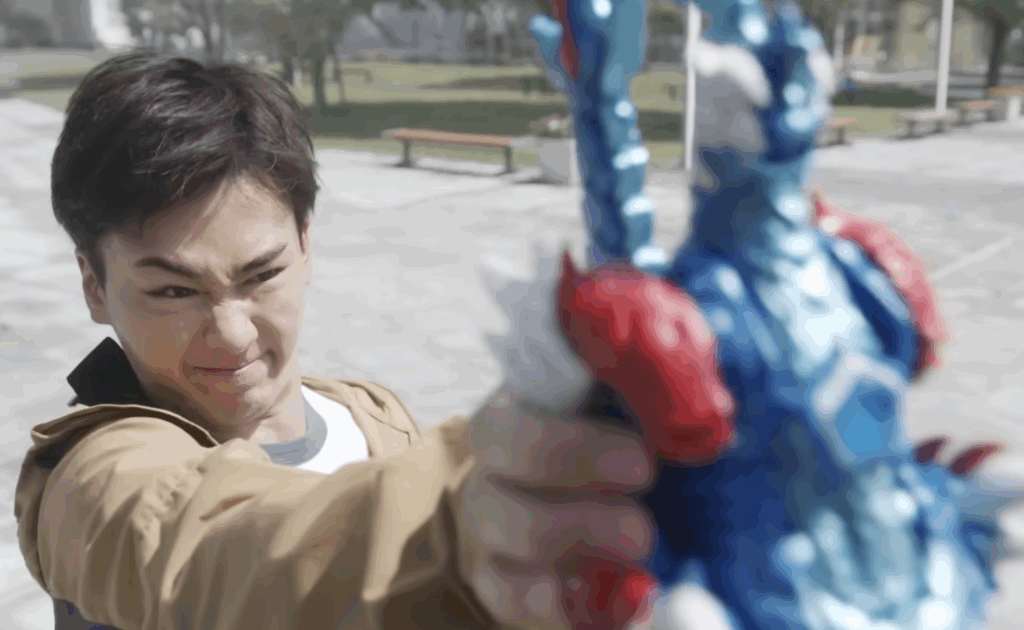
In fact, Hoshimi and Okida’s voices are great vehicles for the characters’ fresh take on the ‘Manzai’ dynamic. It’s not strange to see the tsukkomi (straight man) corralling the boke (funny man). But in the case of Ultraman Omega’s first episode, the tsukkomi, Kosei, can’t hold back or stop Sorato, the boke, Okida’s absurd actions despite his deadpan demeanor.
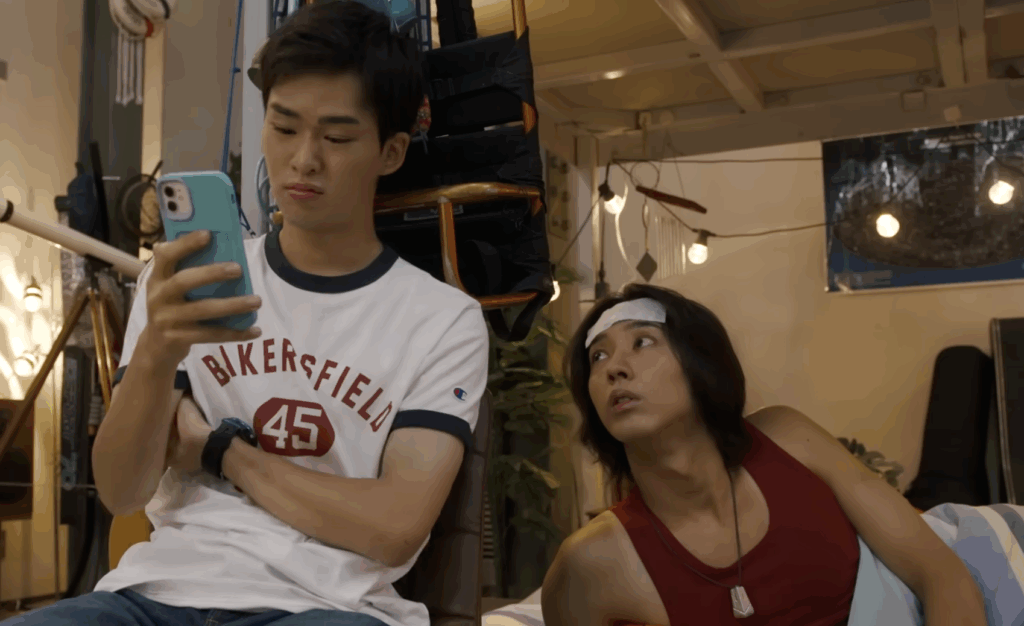
Tarsha truly puts the work in with constant vocal flips and ebullient displays of emotion, conveying Kosei’s kindhearted, if stressed, personality. Okida, on the other hand, functions on instinct, his mood guided by his insatiable hunger, and his choices guided by his ability to sense his surroundings. Though he becomes socialized as the series progresses, Dao’s performance of his voice as throaty and simplistic keeps him grounded in his alien identity.
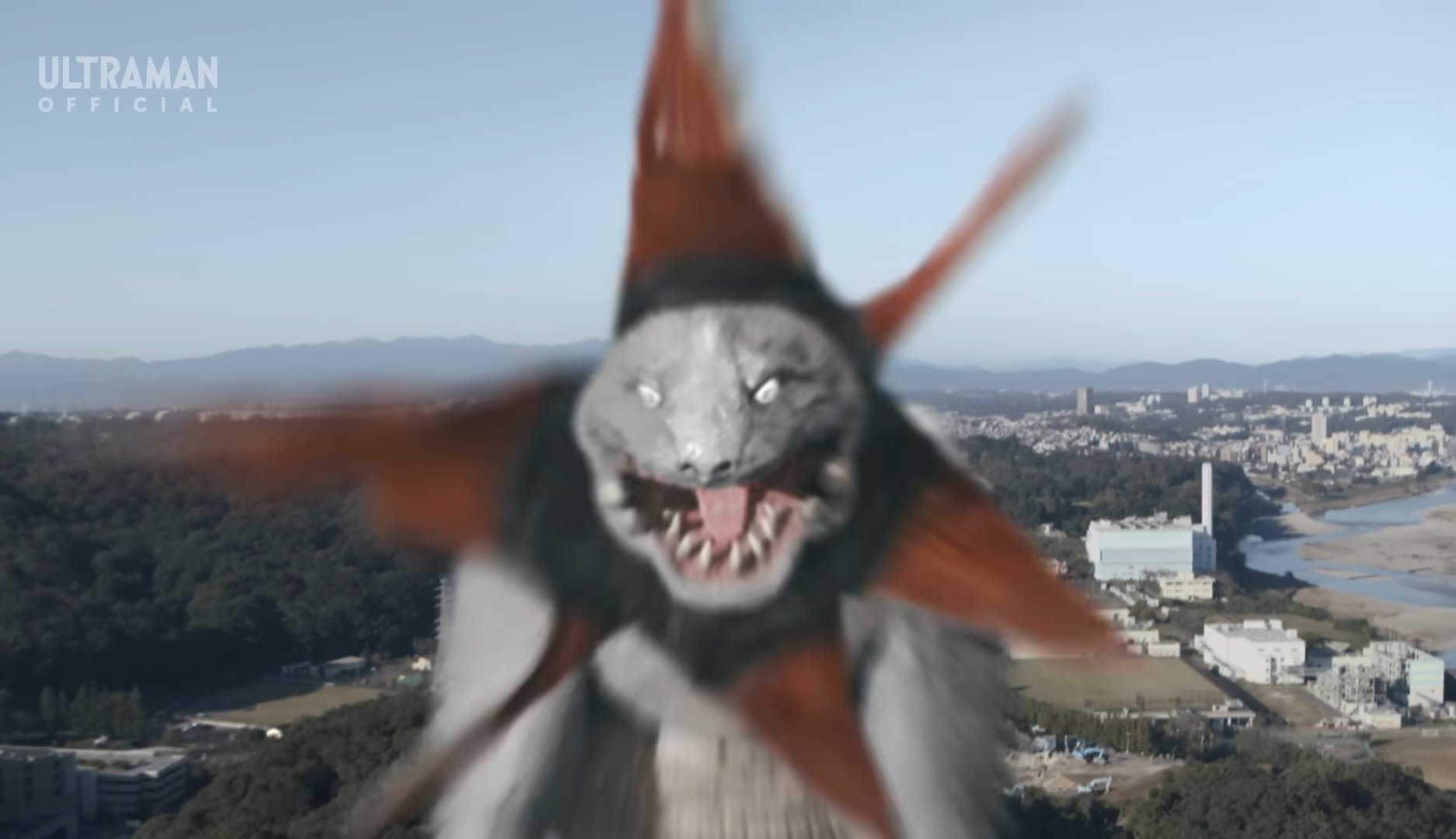
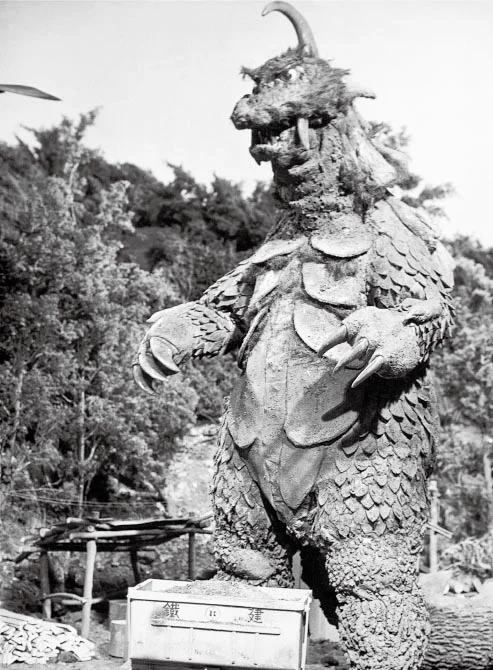
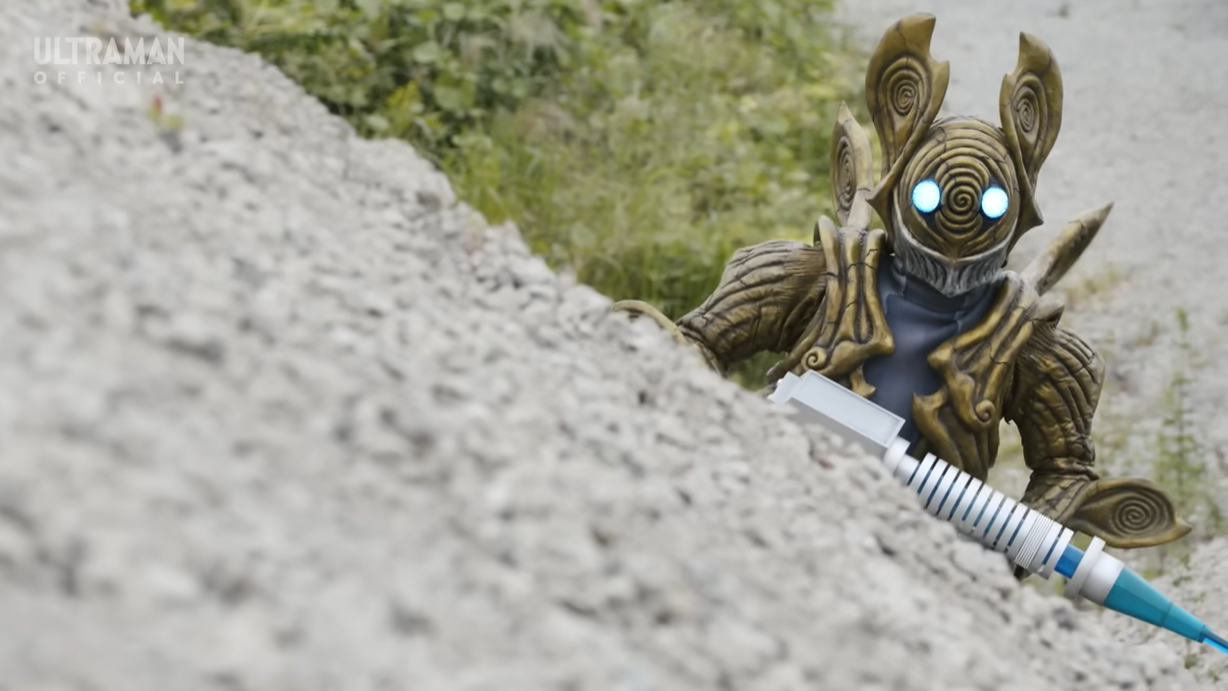
The dub almost never feels separate from the moment, with every syllable synced and translations tweaked for fluidity. During action sequences where the duo faces off with Kaiju like Pegunos, Therizirus, Magular, Neronga, or Graim, their voices feel as present as their bodies.
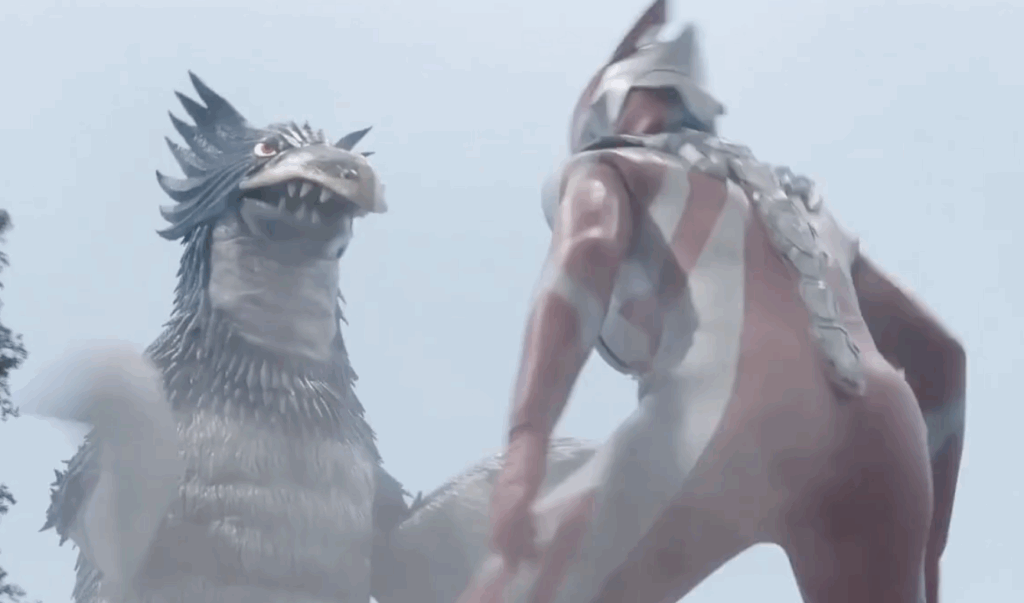
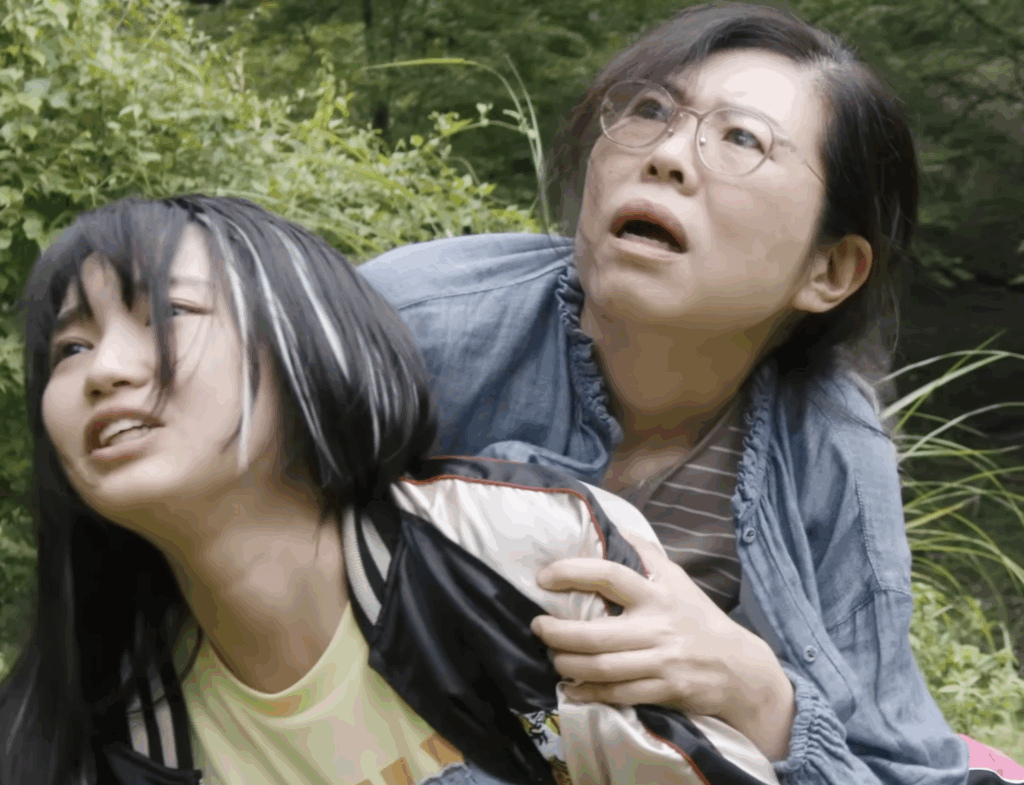
The supporting voice roles are also star-studded with Suzie Yeung, best known for playing Makima in Chainsaw Man, as Ayumu Ichido, and Smiling Friends’ Josh Tomar as Masa. In fact, one of the most exciting performances in the series was Wendy Powell’s Aunt Sasako in episode five ‘Miko and Mikoto’ where we get to hear the Osaka accent imagined in English as a southern twang. The countryside parallel gives us Western viewers more insight to the different dialects that exist throughout Japan, and how archetypes from rural areas might be similar throughout the world.
Ultraman Omega is refreshing, from its unique POV shots, to its compelling mystery-based plot. It’s only reasonable that a series so current would have the highest quality dub to accompany it. While fans are often precious about original audio, having multilingual options is both a benefit for physical and emotional accessibility.
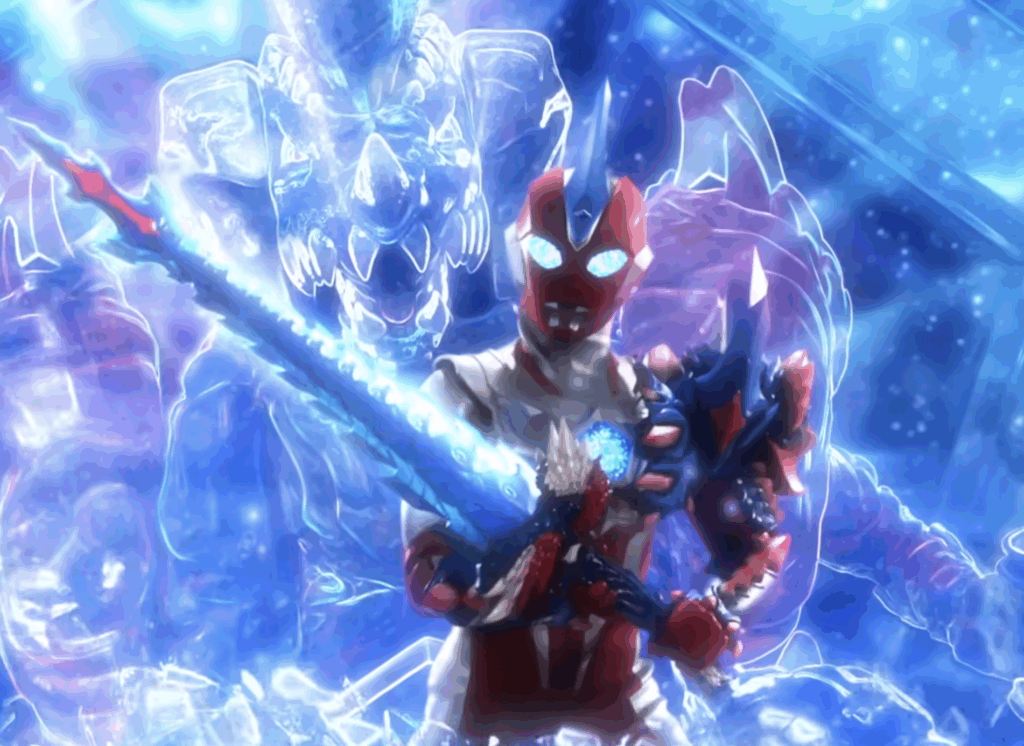
This caliber of voiceover is made possible by the West embracing Ultraman more every day. Keep engaging and there’s more to come! Be sure to stream the English dub of Ultraman Omega, and stay tuned for more here on Ultraman Connection.